A Consortium to Make Tolou Keur Food Forests Financeable
Terravive Group has formed a Senegalese-led consortium that aims to make Tolou Keur, a model of food and medicinal forests developed within Senegal’s Great Green Wall agency, financeable at scale.
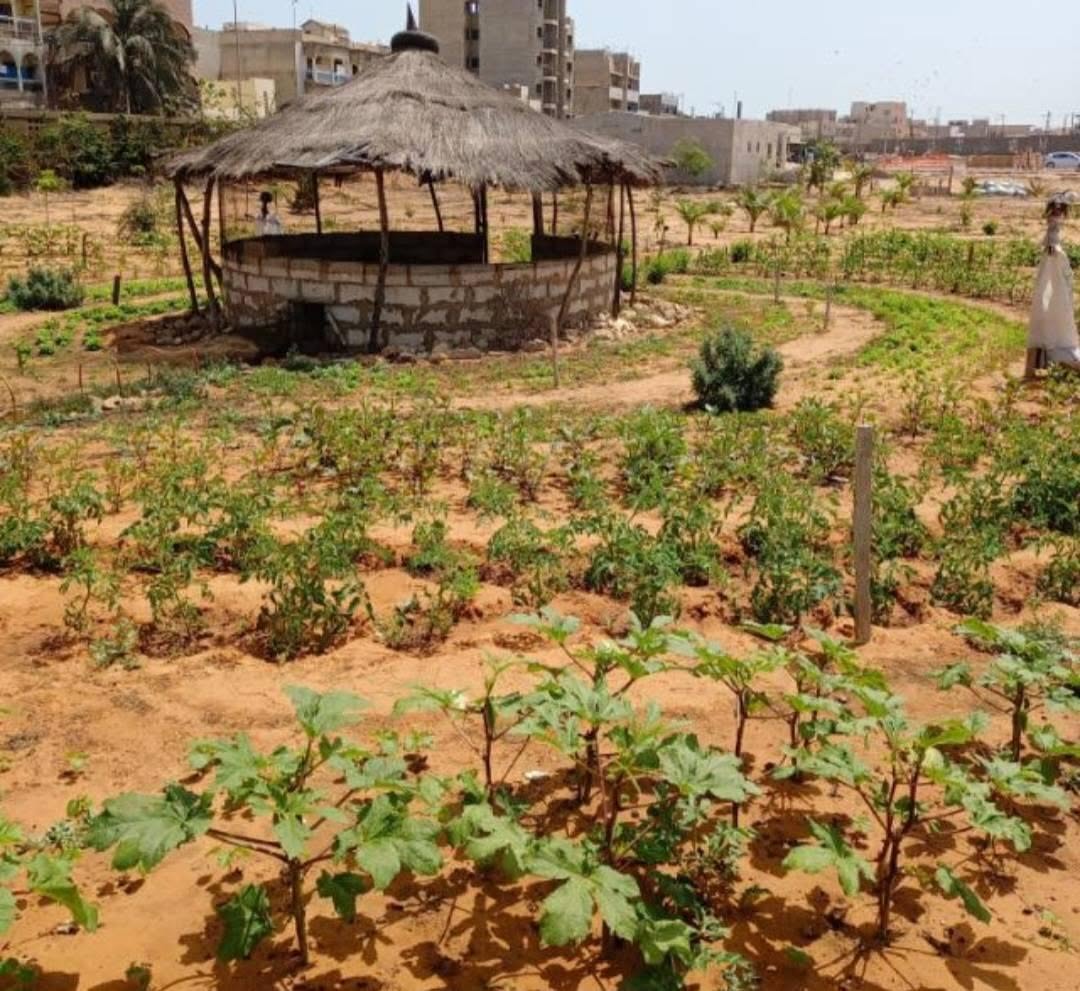
Tolou Keur brings traditional African knowledge together with agroecology. A unit of 5,000 square metres holds more than 1,500 fruit, native, medicinal and vegetable plants, feeding households while it rebuilds the soil. Twenty-three units already run in nine regions of Senegal, including one at Dalal Jamm hospital, where young people grow organic food for patients and now run paid training courses for the public.
The inherent bottleneck with regard to scaling the Tolou Keur model is that each unit is too small for a lender to appraise alone, and no shared data yet shows what a unit costs, produces and earns. The consortium sets out to close that gap to make the model ready for scaling and replication to other parts of the world.
The consortium has five members and is led by Enda Pronat. The Senegalese NGO has worked with farming communities on agroecology for more than four decades and already supports Tolou Keur units in the commune of Ndiob. Ross Ambouche, the company of Tolou Keur’s creator Aly Ndiaye, establishes and follows the units in the field.
The Association des Maires du Sénégal (AMS) mobilizes the communes that host units and opens dialogue on access to land for women’s groups. REVES, the network of green and ecological cities and communes of Senegal, spreads the model and its results among its members, starting with Ndiob.
Terravive Group’s role is to structure the capital and build the impact model. That model measures what each unit costs, produces and earns, and expresses its adaptation impact per dollar invested, so that public and private funders can finance the network’s growth on terms both they and the communities accept.