Banana Stem to Value
Pilot for new intervention template in Nepal
From Problems to Resilience
SaRCiSP is a global, long-horizon development initiative that helps vulnerable communities build resilience and developed communities adapt to circular thinking and holistic planning, by turning local environmental challenges into recovered value and sustainable sources of income.
It enables locally led interventions that are structured and co-designed with communities around their specific needs, opportunities and capacities, while connecting them with the partnerships, expertise and catalytic investment required to move from concept to implementation.
Member Testimonial
Our work in Abuja has shown us what practical environmental action can achieve. Through SaRCiSP, we hope to combine our experience with the capabilities of other organizations, develop interventions together and bring solutions to more communities.
Posts
Insights
Bridging the Gap Between Venture and Institutional Capital
Good local projects often stall between early risk capital and the large institutional funders. SaRCiSP is built to carry them across.
News
Planning Starts for SaRCiSP in Nueva Esparta, Venezuela
SaRCiSP is planning its first state-wide project, covering the eleven municipalities of Nueva Esparta.
Insights
Same Budget, Two Models: SaRCiSP and Green City Kigali
A counterfactual analysis compares how USD 1.5 billion would work in one urban corridor and across a distributed resilience portfolio.
News
Applications Open for the SaRCiSP NGO Consortium
NGOs and the organizations that support them can now apply to join SaRCiSP through sarcisp.org, and so can individual experts.
Insights
Designing for Two Generations
Some interventions look expensive per person, but their cost is paid mostly once, so SaRCiSP weighs it against at least two generations.
Insights
From Warning to Action: How Resilience Intelligence Works
TG-TRIF turns observations of developing risks into targeted local action before the damage is done.





Articles
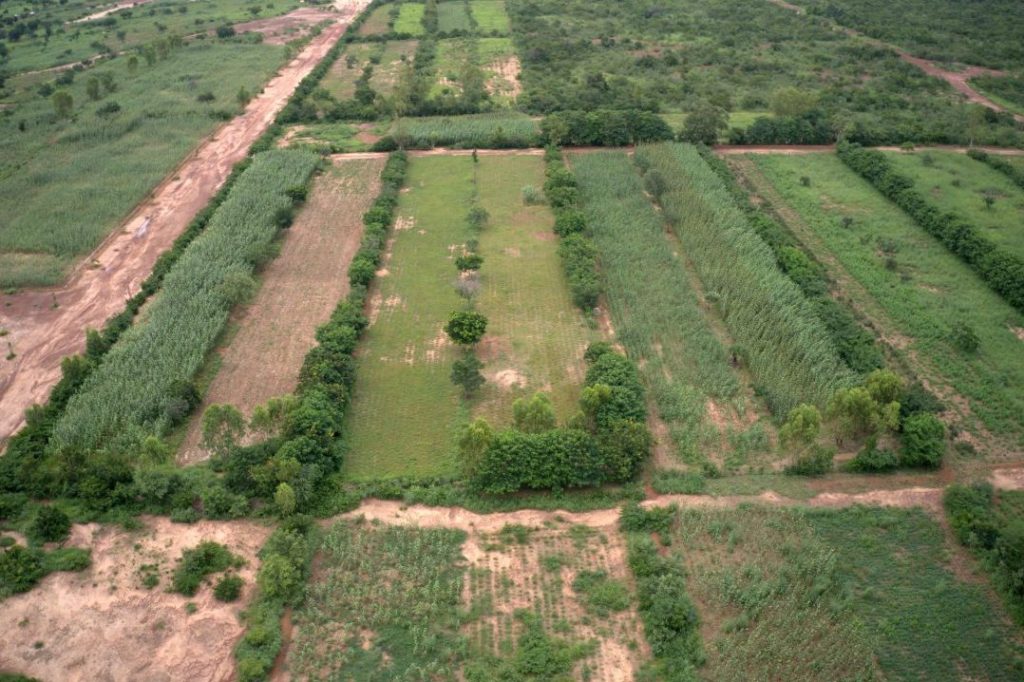
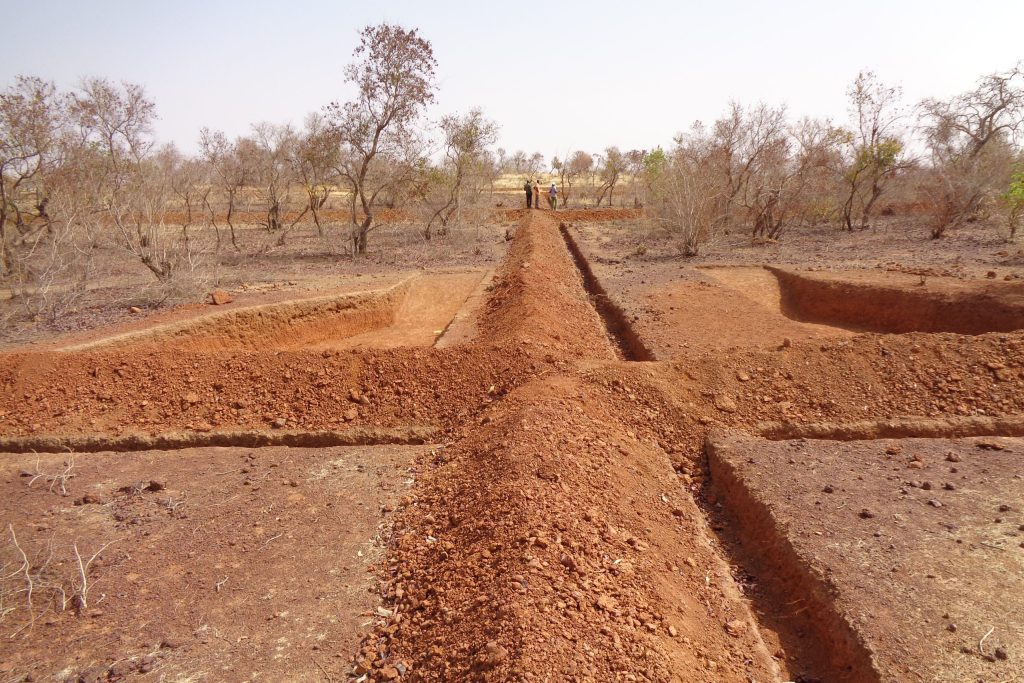
The Sahelian Bocage – A Field-Tested Method for Landscape Regeneration
This series presents the Sahelian bocage as a field-tested method for landscape regeneration, grounded in decades of practical application in Burkina Faso.
Article 1
Foundations
Article 2
The Right Landscape
Article 3
The Hidden Economics
Root Causes of Governance Failure
This six-part series examines why governance systems lose coherence over time. Rather than focusing on policy gaps or implementation errors alone, it traces the interacting constraints that arise across cognition, representation, culture, human nature, and institutional structure, and shows how these constraints compound as they move through formal systems.
Article 1
Cognitive Constraints
Article 3
Cultural & Interpretive Constraints
Article 4
Human Nature Constraints
Article 5
Institutional Constraints
Article 6
From Constraints to Coherence






Single Interventions, Multiple Wins
SaRCiSP works across clusters of communities to develop initiatives around locally identified environmental and systemic challenges.
SaRCiSP looks for interventions that solve more than one problem at once. Invasive aquatic plants – typha in Senegal, water hyacinth elsewhere in West Africa – choke waterways and farmland. Clearing them feeds a commune biomass plant that pays by the tonne for what is delivered and produces biogas, fertilizer and pavers, while the surrounding ecology recovers. An environmental problem removed, value created from waste, and an income stream for the people doing the work.
The Capital Gap
The challenge in resilience and circular-systems work is not only a lack of capital. Too often, the real gap is the absence of trusted systems through which funders can understand how their capital will be deployed and verify outcomes with confidence.
SaRCiSP closes that gap by providing the institutional and digital infrastructure needed for funders to model expected outcomes before committing capital and to verify delivery throughout implementation.